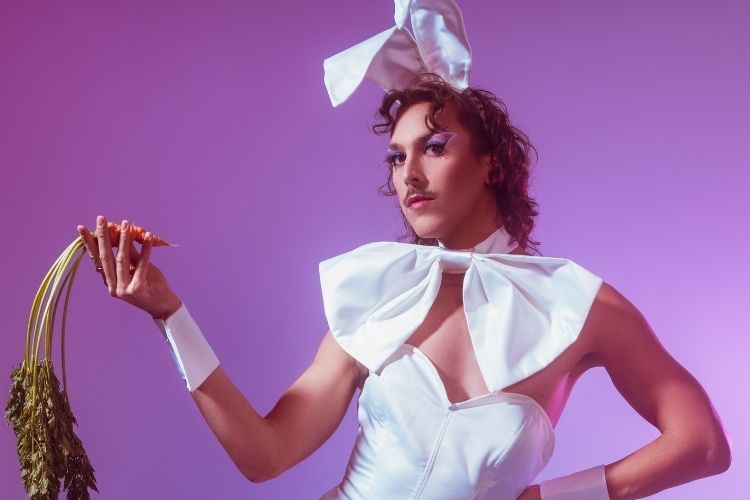
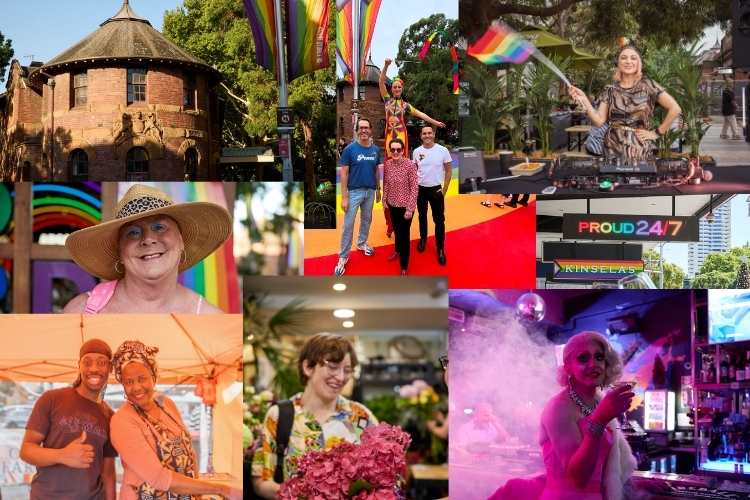
Foot traffic lingers where it once hurried. People stop mid-conversation instead of darting for the nearest exit. Cafés spill on to the footpath. Shopfronts glow instead of gathering dust. After more than a decade of economic crashes, lockout laws, boarded-up buildings, and long-running construction chaos, Sydney’s most storied queer strip is quietly, confidently, coming back.
For Shane Warren, President of Rainbow Precinct and a board member of the Darlinghurst Business Partnership, that revival comes with responsibility.
“We’re very conscious of the weight of this place,” Warren says. “Not just as an LGBTQIA+ space, but as somewhere that’s always belonged to people who didn’t quite fit elsewhere.”
Long before Oxford Street became shorthand for gay nightlife, it was a bohemian refuge, a meeting point for artists, outsiders, and subcultures operating slightly off-centre. Over time, it evolved into what Warren calls “the home turf and heartland of gay Australia”, a role that shaped generations. First loves, first protests, first nights out where armour could finally come off.
“That story doesn’t disappear just because development happens around us,” he says. “Our job is to keep it alive.”
That balancing act between celebration and preservation sits at the heart of Rainbow Precinct’s Mardi Gras offering. While the festival is now a global spectacle, Warren is clear that its roots remain local, political, and deeply personal.
“Mardi Gras didn’t just arrive fully formed,” he says. “We had the protests of the late ’70s, some wins, then the AIDS epidemic hit, and Darlinghurst became the epicentre of grief and activism in Australia. After that came the fight for legal recognition, then marriage equality. All of that happened here.”
Rainbow Precinct’s approach is to hold all of it at once. The joy and the memory. The glitter and the scars.
Each year, the precinct’s local festival, Oxtravaganza, fills shopfronts and cafés with photographic exhibitions that trace those histories through faces and moments rather than plaques. There are partnerships with Qtopia, talks when funding allows, and a Family Zone designed to show that queerness isn’t something kids need to be shielded from.
That emphasis on presence feels especially important after Oxford Street’s long period in limbo. For years, half the strip sat behind hoardings as a 99-year lease redevelopment dragged on far longer than planned. Businesses struggled. Community connection thinned. Momentum stalled.
“What was meant to be a two- or three-year project became six or seven,” Warren says. “When one side of the street is boarded up, it’s hard for people to feel connected.”
Now, with the hoardings down and the three-block renovation complete, the difference is immediate. The new cycleway has slowed traffic and widened the emotional space of the street. People linger. They browse. They talk.
“You see people standing in conversation now,” Warren says. “That didn’t happen before. It was always, ‘Let’s get out of here’.”
Still, renewal brings its own risks. Gentrification doesn’t arrive quietly, and not every investor understands what they’re buying into.
“That’s where the tension is,” Warren says. “Between development and identity.”
Rainbow Precinct works closely with the City of Sydney, which has formally acknowledged the area’s LGBTQIA+ and Aboriginal histories in its planning frameworks. But Warren is realistic about the pressures that come with proximity to the CBD.
“Some developers would happily tear everything down and put up glass towers,” he says. “That changes who the space is for. It makes it harder for someone who’s been running an underwear shop here for 35 years to survive.”
One of the precinct’s key tools is the Oxford Street Pride Charter, which asks new and existing businesses to formally acknowledge the area’s legacy and commit to upholding it. It’s subtle, but deliberate.
“There’s history here,” Warren says. “When you come in, we’re asking you to honour that.”
Safety is another constant priority, especially for younger queer people encountering Oxford Street for the first time. Warren describes it as a home ground, a place to learn who you are without bracing for impact.
Maintaining that feeling means working with police, security, and city services without tipping into intimidation. Initiatives like Pride Hi-Vis and the upcoming Great Night Out project focus on visibility and reassurance rather than enforcement. Rainbow-branded high-vis gear, welcoming signage, and clear messaging signal that help is nearby and hostile behaviour won’t be ignored.
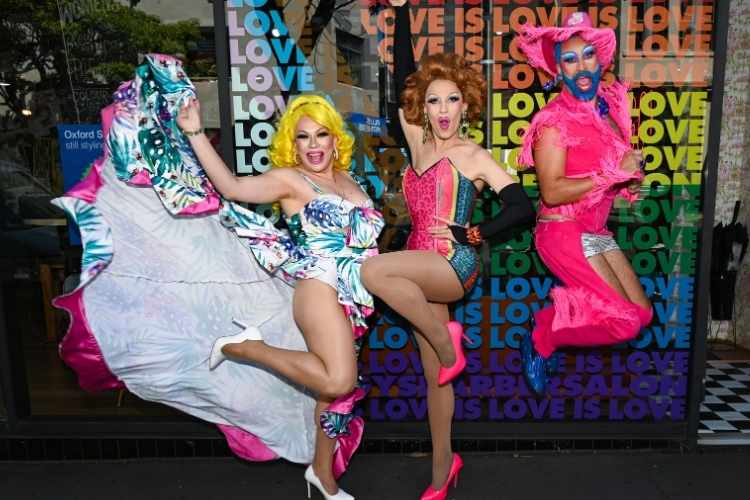
“It’s about subtle cues,” Warren says. “Letting people know they’re safe without making them feel watched.”
Beyond the parties and parades, Warren encourages visitors to slow down. Visit Qtopia. Walk through Green Park and the Pink Triangle memorial. Duck into a gallery. Pick up a walking guide and actually look around.
“There’s so much going on if you let yourself see it,” he says.
Supporting LGBTQIA+ businesses year-round means more than Mardi Gras foot traffic. Rainbow Precinct runs activations designed to draw people off the bus and on to the street, from drag pop-ins to markets at Taylor Square. Behind the scenes, they advocate for training, legal support, and policy changes that keep doors open.
Looking ahead, Warren’s idea of success is deceptively simple.
“I think we’re working towards a point where we don’t have to fight to keep the story alive,” Warren says. “Instead, it’s celebrated and experienced every day, through the people, venues, and energy of the precinct.” When asked to sum up the spirit of Rainbow Precinct in 2026, he returns to a phrase he admits he uses too often.
“It’s home ground,” he says. “For queer people, and for anyone who walks in with an open heart. You come here, and you feel like you can be yourself. That’s it. That’s what we’re protecting.”
On Oxford Street, that feeling is finally starting to stick again.
Oxtravaganza is on during Sydney Gay And Lesbian Mardi Gras, from 13 February-1 March.